Basement Inspection and Diagnosis
Why it matters
Inspecting your basement thoroughly helps identify water damage early. Early detection prevents costly repairs and structural issues. Proper diagnosis ensures effective waterproofing and maintenance.
How to inspect your basement for water damage
Start by examining walls and floors for discolouration, stains, or peeling paint. Pay close attention to corners and areas near windows or pipes. Water damage often hides behind stored items or insulation, so clear clutter for a thorough check.
One common mistake is overlooking subtle signs like musty odours or dampness, which indicate moisture problems. Inspecting only visible surfaces can miss hidden damage behind drywall or paneling.
Tools and techniques for moisture detection
Moisture meters are essential for measuring dampness within walls and floors. Infrared cameras can reveal cold spots where condensation forms. These tools help detect moisture even when no visible signs exist.
However, improper use of these devices can lead to false readings. For example, surface moisture might not reflect deeper water intrusion. Combining multiple techniques improves accuracy and diagnosis reliability.
Professional basement waterproofing assessments
Experts evaluate waterproofing systems and foundation conditions comprehensively. They identify weaknesses in drainage, sealants, and sump pumps. Professionals also check for compliance with local building codes and standards.
Choosing a certified assessor reduces the risk of missed issues or ineffective repairs. They often use specialized equipment and have experience with common failure modes. A detailed report guides targeted waterproofing solutions.
Using an inspection checklist guide can help ensure no critical step is overlooked during these evaluations.
Signs of mold and mildew from water intrusion
Mold appears as black, green, or white patches on surfaces. It thrives in damp, poorly ventilated areas. Mildew often has a powdery texture and a distinctive odor. Both pose health risks and indicate ongoing moisture problems.
Ignoring mold growth can lead to structural decay and worsen indoor air quality. Proper diagnosis requires identifying the moisture source and extent of contamination. Remediation without addressing water intrusion only offers a temporary fix.
Evaluating foundation integrity
Look for cracks, bowing walls, or uneven floors as signs of foundation stress. Water damage can accelerate deterioration by eroding soil support or causing freeze-thaw cycles. Assessing foundation health involves checking for movement and material degradation.
Incorrect evaluation may miss hidden damage behind finishes or fail to distinguish between cosmetic and structural cracks. A thorough inspection considers soil conditions, drainage patterns, and past repairs.
Following established workplace inspection procedures ensures a systematic approach to foundation assessment and safety compliance.
Assessing sump pump functionality
Test the sump pump by pouring water into the pit to confirm activation and drainage. Check the power source, float switch, and discharge pipe for blockages or damage. A malfunctioning sump pump increases flood risk and basement moisture.
Common failures include electrical issues, float switch jams, and clogged outlets. Regular maintenance prevents pump failure during heavy rains or snowmelt. Ignoring sump pump problems can lead to severe water damage and costly repairs.
Waterproofing Solutions
Water intrusion can cause serious damage to buildings if not properly managed. Effective waterproofing protects structural integrity and indoor air quality. Choosing the right methods prevents costly repairs and mold growth.
Interior waterproofing methods
Interior waterproofing typically involves managing water once it enters the building. Common approaches include installing sump pumps and applying sealants to walls and floors. These methods help redirect water away from living spaces.
A common mistake is relying solely on interior solutions without addressing exterior water sources. This can lead to persistent moisture problems and damage over time. Proper design must consider water pressure and drainage flow to avoid failure.
Exterior waterproofing techniques
Exterior waterproofing focuses on preventing water from reaching the foundation. This includes applying waterproof membranes and coatings to foundation walls and installing drainage systems like French drains. These systems reduce hydrostatic pressure against the structure.
One challenge is ensuring soil grading directs water away from the foundation. Poor grading or damaged membranes can negate the benefits. Regular inspections and maintenance are essential to maintain effectiveness.
Installing and maintaining sump pumps
Sump pumps are critical for removing accumulated water from basements or crawl spaces. Proper installation requires locating the sump pit at the lowest point and ensuring reliable power sources. Maintenance involves periodic testing and cleaning to prevent failure.
Failure to maintain sump pumps can lead to flooding during heavy rains. Backup power options are recommended to handle outages. Selecting the correct pump capacity is important to handle expected water volumes.
Sealing cracks and foundation repairs
Cracks in foundations are common entry points for water. Sealing these with appropriate materials like epoxy or polyurethane injections prevents leaks. Structural repairs may be necessary if cracks indicate settlement or movement.
Incorrect sealant choice or surface preparation can cause seal failures. Assessing the cause of cracks helps determine the best repair method. Ignoring foundation issues can worsen water infiltration and structural damage.
Drainage system improvements
Following waterproofing specifications guidelines ensures that drainage improvements meet industry standards and perform reliably.
Improving drainage around a building reduces water pressure on foundations. This includes installing or upgrading gutters, downspouts, and perimeter drains. Properly designed systems channel water away efficiently.
Drainage systems must be sized for local rainfall patterns and soil conditions. Blocked or damaged components reduce effectiveness. Regular cleaning and inspection prevent backups and water pooling.
Use of vapor barriers and sealants
Vapor barriers control moisture migration through walls and floors. They are often installed under slabs or behind wall finishes. Sealants complement barriers by filling joints and gaps to create continuous protection.
Choosing incompatible materials can cause adhesion problems or trap moisture, leading to deterioration. Proper installation techniques and material compatibility are critical for long-term performance.
Basement wall coatings and membranes
Advanced waterproofing systems overview provide options tailored to different foundation types and water exposure levels.
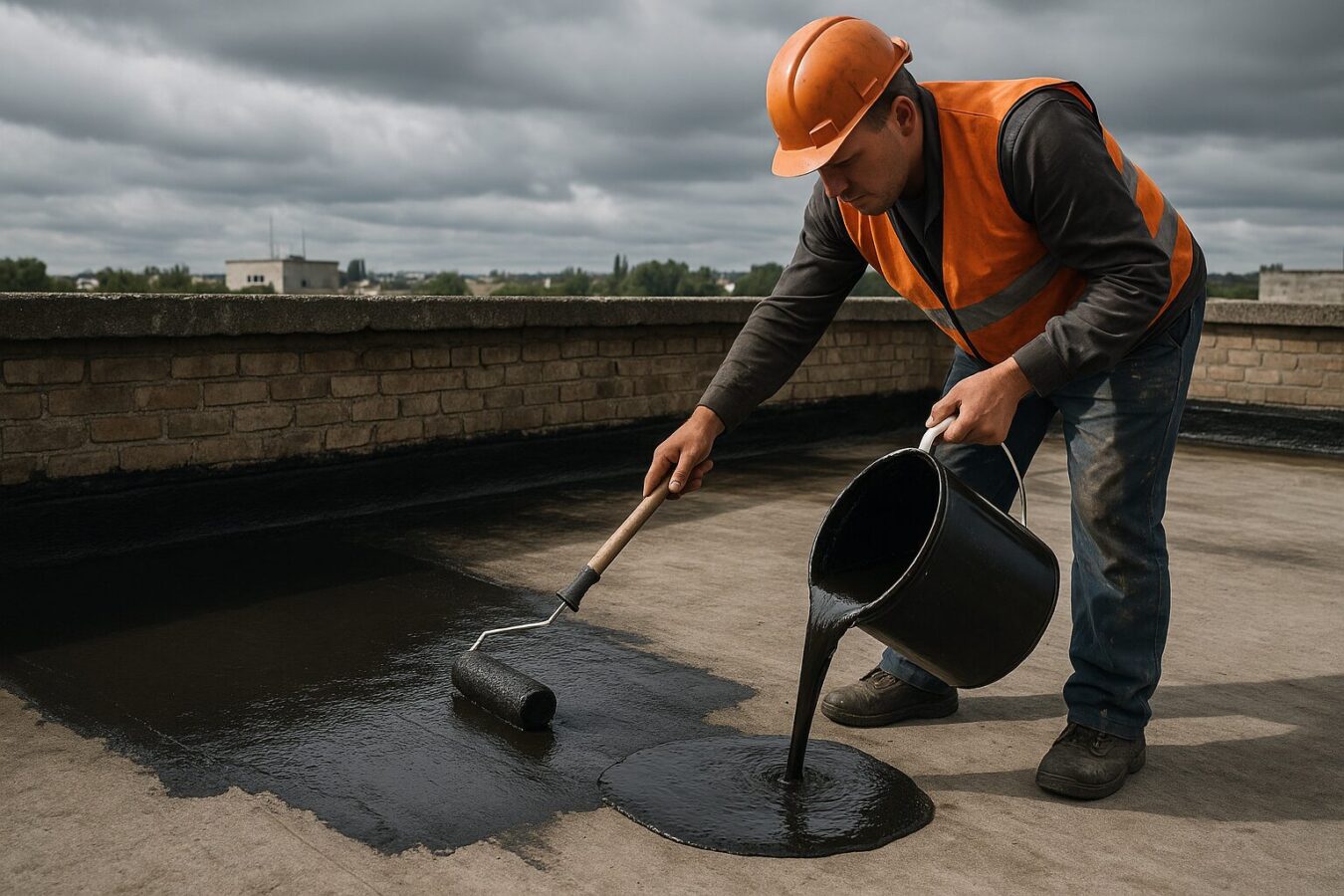
Applying coatings and membranes to basement walls adds a protective layer against water penetration. These products vary from liquid-applied membranes to sheet membranes with adhesive backing.
Incorrect surface preparation or application thickness can compromise the barrier. Some membranes require drainage layers to prevent water buildup behind the wall. Understanding product specifications and site conditions is essential.
Choosing and combining these waterproofing solutions carefully protects buildings from water damage. Regular inspection and maintenance keep systems functioning as intended.