Strategies for Lasting Relationships with Therapy
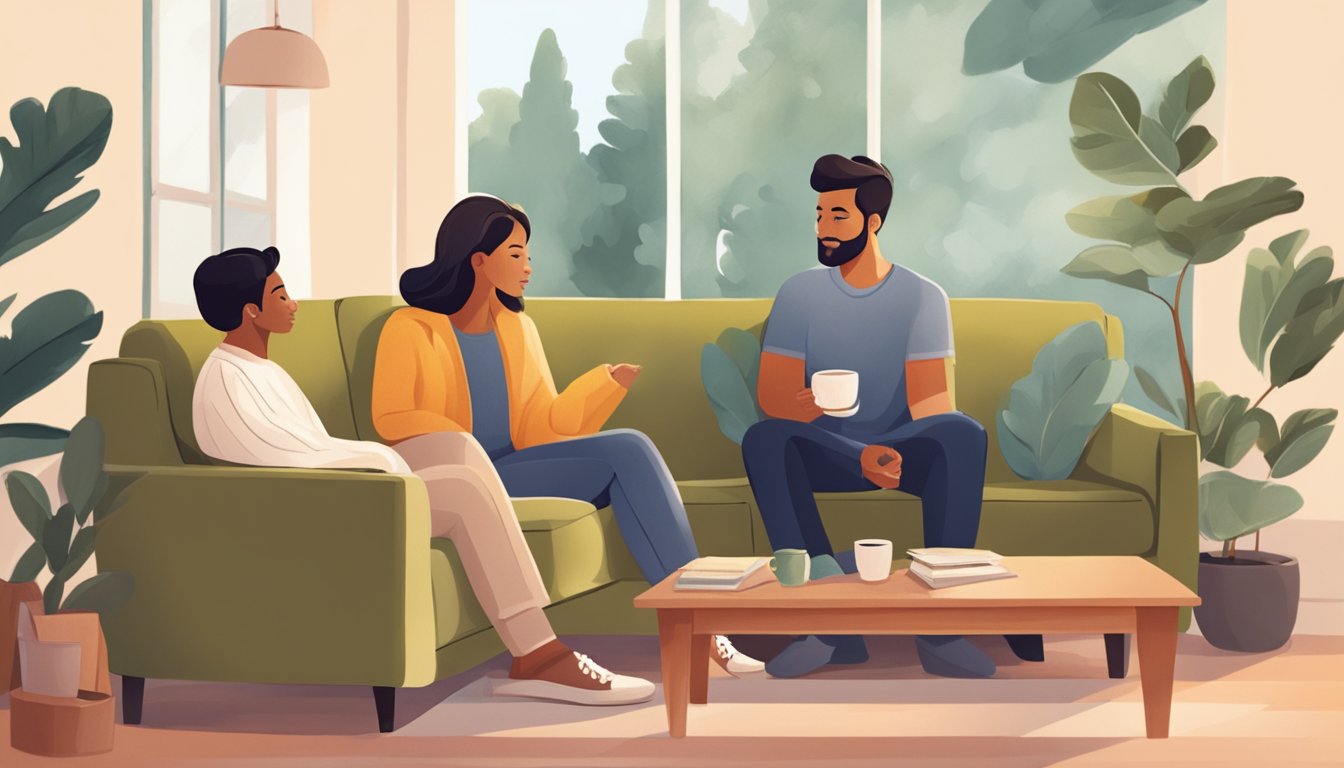
Couples counselling can be a powerful tool for improving marriages. It offers a safe space for partners to address their issues and learn new ways to communicate. Many couples find that seeking professional help strengthens their bond and brings them closer together.
Couples therapy can help marriages in many ways, including better communication, deeper emotional intimacy, and improved problem-solving skills.
A trained therapist can guide you through difficult conversations and teach you new strategies for handling conflicts. By working with a counselor, you and your partner can gain fresh insights into your relationship and develop the tools needed to build a stronger, more fulfilling marriage.
1) Improves Communication

Couples therapy in Norfolk County can significantly enhance communication in your marriage. You’ll learn to express your thoughts and feelings more clearly and listen more effectively to your partner.
Counselling helps you develop better ways to talk about difficult topics. You’ll practice using “I” statements instead of blaming language. This can reduce defensiveness and create a more open dialogue.
You’ll also gain skills in active listening. This means truly hearing your partner’s perspective without interrupting or planning your response. It can lead to deeper understanding and empathy.
Therapists teach techniques to manage conflicts constructively. You’ll learn how to disagree respectfully and find compromises. This can prevent small issues from escalating into major arguments.
Studies show that improved communication leads to higher relationship satisfaction. Couples who communicate well report feeling more connected and supported by their partners.
In therapy, you’ll create a safe space to discuss sensitive topics. This can help you address long-standing issues that may have been avoided in the past.
2) Strengthens Emotional Connection

Couples counselling can help enhance emotional intimacy in your relationship. By talking openly with a therapist, you and your partner can learn to share feelings more effectively.
This process allows you to understand each other better. You’ll discover new ways to express love and support. The safe space of therapy encourages vulnerability and honesty.
Through guided exercises, you can improve your emotional bond. These activities help you reconnect and rediscover what brought you together. You’ll learn to listen more deeply and respond with empathy.
Stronger emotional ties lead to greater relationship satisfaction. Research shows that couples who attend therapy often report feeling closer and more connected. This renewed intimacy can reignite passion and strengthen your partnership.
By working on your emotional connection, you build a foundation for long-term happiness. You’ll be better equipped to face challenges together and celebrate joys as a team.
3) Resolves Conflicts Effectively

Couples counseling can help you and your partner resolve conflicts more effectively. It gives you tools to tackle disagreements in a healthy way.
In therapy, you’ll learn to express your feelings clearly. This leads to better understanding between you and your spouse. You’ll also practice active listening skills.
A therapist can teach you conflict resolution techniques. These help you address issues calmly and find solutions together. You’ll learn to focus on the problem, not attack each other.
Studies show that couples who use these skills have stronger marriages. One study found that newlyweds who communicated well were more likely to stay happy years later.
Counseling provides a safe space to discuss tough topics. You can work through old arguments that keep coming up. This helps clear the air and move forward.
With practice, you’ll get better at solving problems as a team. This can reduce stress and bring you closer together.
4) Builds Trust and Understanding

Trust is the foundation of a strong marriage. Couples therapy can help you build and repair trust in your relationship. A skilled therapist guides you through exercises to improve openness and honesty.
You’ll learn to communicate more effectively with your partner. This leads to better understanding of each other’s feelings and needs. As you practice sharing openly, you create a safer space in your relationship.
Weekly check-ins are one trust-building exercise you might try. These regular talks help you stay connected and address small issues before they grow. Your therapist can teach you how to have productive check-ins.
Being vulnerable can be scary, but it’s key for deepening trust. In therapy, you’ll practice expressing emotions in a healthy way. This helps your partner see and understand you better.
As trust grows, you may feel more secure in your relationship. You’ll worry less about betrayal or abandonment. This security allows you to be more open and loving with each other.
5) Enhances Intimacy

Couples counselling can help improve your sex life and deepen emotional connections. It creates a safe space to discuss sensitive topics you might avoid on your own.
In therapy, you’ll learn to express your needs and desires more effectively. This can lead to greater satisfaction in your physical and emotional intimacy.
Counselling helps you understand each other’s love languages. You’ll discover new ways to show affection and appreciation that resonate with your partner.
Effective communication is key to intimacy. Therapy teaches you to listen actively and respond empathetically, fostering closer bonds.
You’ll explore any barriers to intimacy in your relationship. These might include stress, past traumas, or mismatched expectations. Addressing these issues can lead to more fulfilling connections.
Couples therapy can help you create safe spaces for vulnerability. This allows you to share your deepest thoughts and feelings, strengthening your emotional intimacy.
Remember, intimacy is an ongoing process. Counselling gives you tools to continue nurturing your connection long after sessions end.
Understanding the Role of Couples Counselling
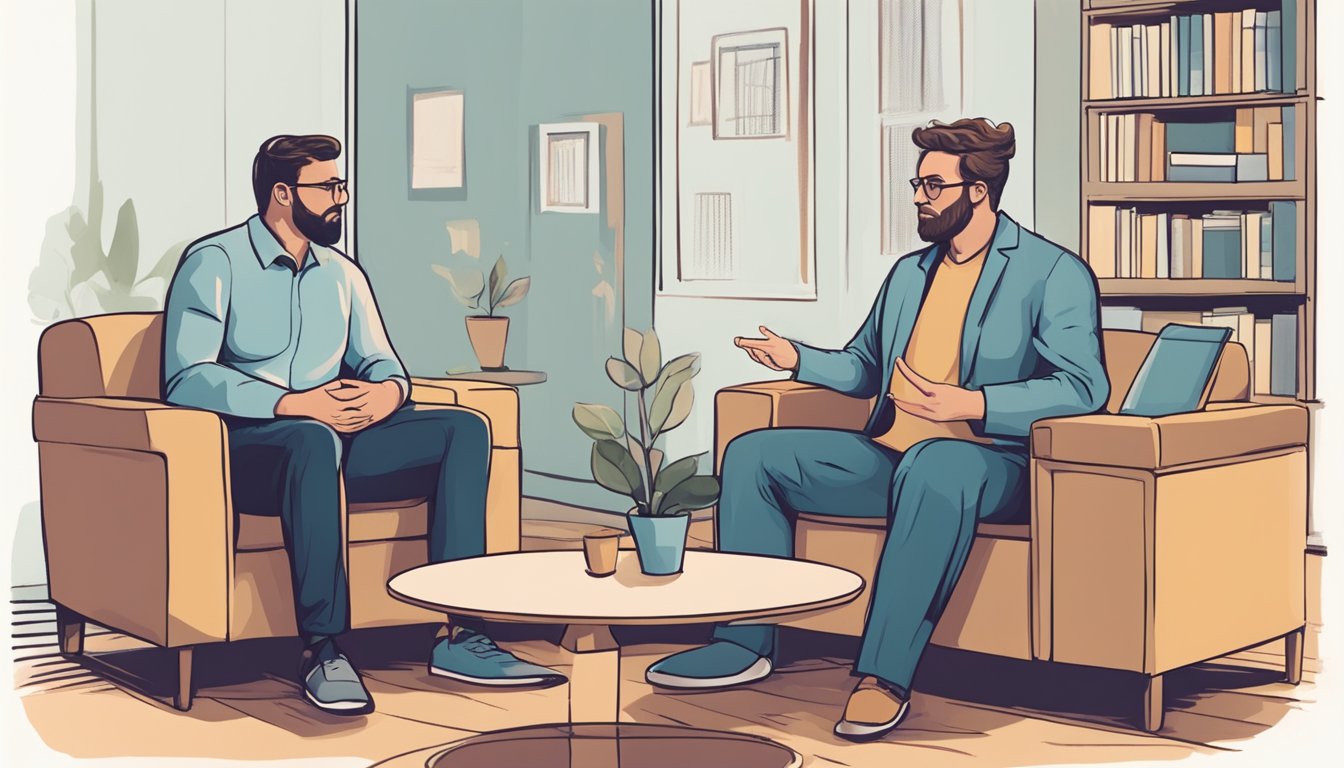
Couples counselling helps partners improve their relationship through structured sessions with a trained therapist. It tackles key areas that often cause friction in marriages.
Building Stronger Communication
Couples therapy helps you and your partner learn how to express yourselves more clearly and listen more effectively. You’ll practice new ways to share your thoughts and feelings without blame or criticism.
In sessions, you’ll work on:
- Active listening skills
- Expressing needs assertively
- Reading non-verbal cues
- Avoiding miscommunication pitfalls
These improved communication skills can lead to deeper emotional connections and fewer misunderstandings in your daily life together.
Resolving Conflicts Effectively
Marriage counselling teaches you strategies to handle disagreements in a healthy way. You’ll learn to address issues calmly and find solutions together.
Key conflict resolution skills include:
- Identifying root causes of arguments
- Managing emotions during heated moments
- Compromising and finding win-win solutions
- Setting boundaries respectfully
By mastering these techniques, you can turn potential fights into productive discussions. This leads to fewer unresolved issues and a more harmonious relationship overall.
Enhancing Emotional Connection
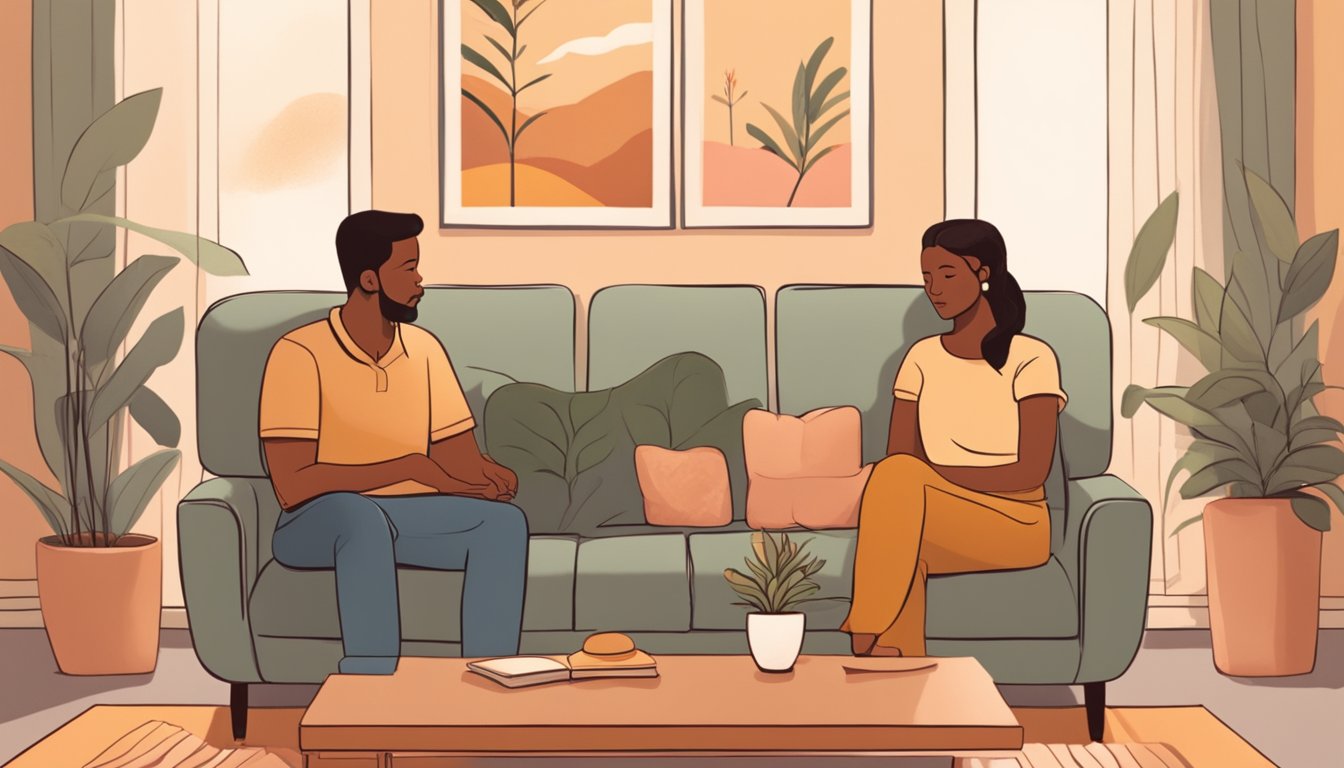
Couples counselling helps build a stronger emotional bond between partners. It teaches techniques to increase empathy and understanding while rekindling intimacy and closeness.
Fostering Empathy and Understanding
Counselling helps you and your partner develop deeper empathy for each other. You’ll learn to truly listen and understand your partner’s perspective. This involves practicing active listening skills and validating each other’s feelings.
Therapists guide couples through exercises to improve emotional awareness. You might practice:
- Identifying and expressing emotions clearly
- Recognizing non-verbal cues
- Responding with empathy to your partner’s feelings
Studies show that improved communication leads to greater relationship satisfaction. As you build these skills, you’ll feel more connected and understood by your partner.
Rekindling Intimacy
Counselling helps couples rediscover emotional and physical intimacy. You’ll explore ways to build trust and vulnerability in your relationship.
Some techniques to rekindle intimacy include:
- Planning regular date nights
- Trying new activities together
- Practicing physical affection daily
Therapists may suggest exercises to improve your emotional connection. These might involve sharing appreciations, discussing hopes and dreams, or expressing physical affection.
By focusing on intimacy, you can reignite the spark in your relationship. This leads to feeling more emotionally and physically close to your partner.
Frequently Asked Questions
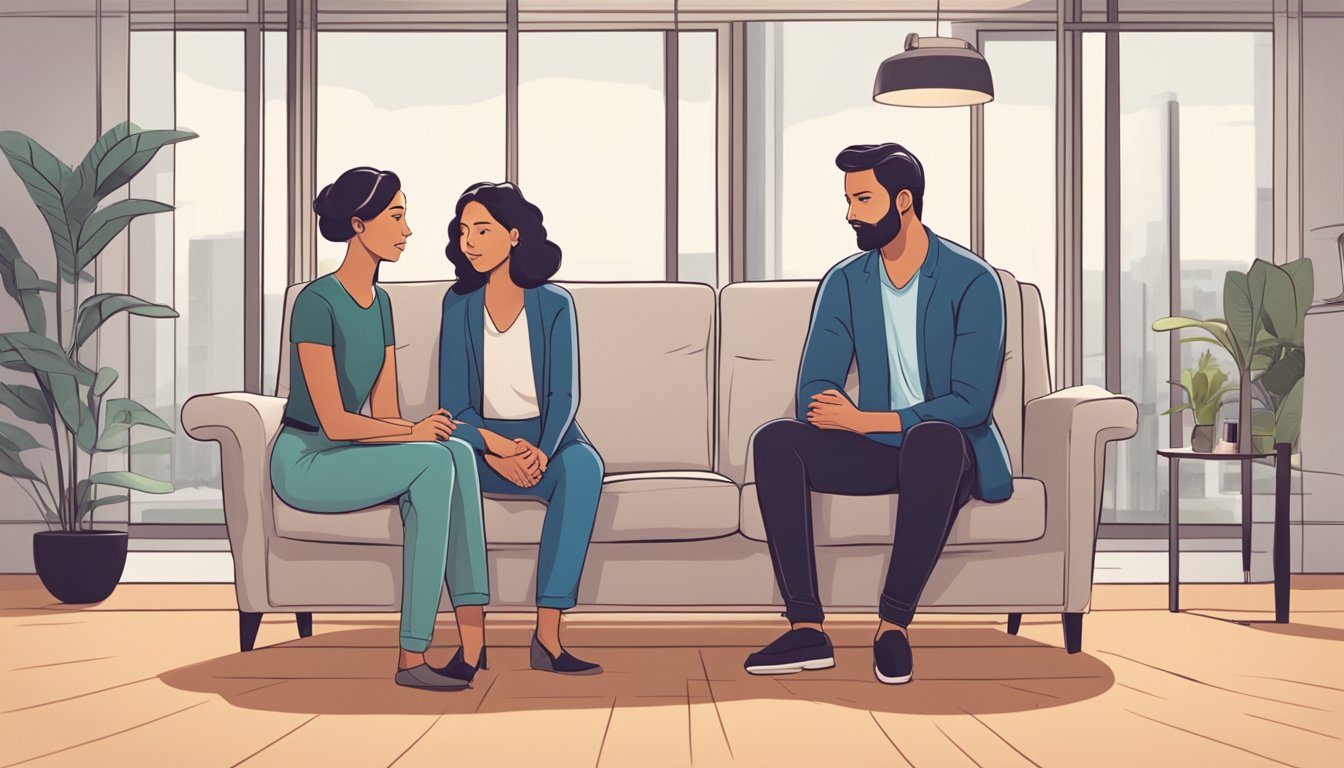
Couples therapy offers many benefits for relationships. It can help partners communicate better, resolve conflicts, and build stronger emotional connections.
What are the benefits of engaging in couples therapy before getting married?
Premarital counselling can set a strong foundation for marriage. It helps couples discuss important topics like finances, children, and life goals. You can learn communication skills early on to prevent future problems.
How can marriage counselling contribute to the health of a relationship?
Marriage counselling improves relationship health in many ways. It teaches you to express feelings clearly and listen without judgment. You’ll learn to solve problems as a team and reconnect emotionally.
What are common techniques used in couples therapy?
Therapists use various methods to help couples. These may include communication exercises, conflict resolution skills, and emotional awareness training. Role-playing difficult scenarios can prepare you for real-life challenges.
Can couples counselling positively impact an already strained relationship?
Yes, counselling can help even troubled relationships. It provides a safe space to address long-standing issues. You’ll gain new perspectives on old problems and learn healthier ways to interact.
What are the stages involved in couples counselling according to psychology?
Couples therapy typically follows a process. It starts with assessment, then moves to setting goals. Next comes working on specific issues. The final stage focuses on maintaining progress made in therapy.
Why might some couples choose not to pursue couples therapy?
Some couples avoid therapy due to fears or misconceptions. They may worry about cost, time commitment, or discussing private matters. Others might feel their problems aren’t serious enough for professional help.